Explore the Okavango Delta on multi-day safari tours led by English-speaking local guides, with all meals included. Choose between a classic guided safari or a traditional mokoro canoe adventure through the Delta's waterways.
 Free Cancellation
 Three-day guided Okavango Delta safari with all meals included and airport pickup.

Three-day mokoro dugout canoe safari with local polers, small groups, and camping under the stars.
Read what travelers share about their experience visiting Okavango Delta — from practical tips to personal highlights.
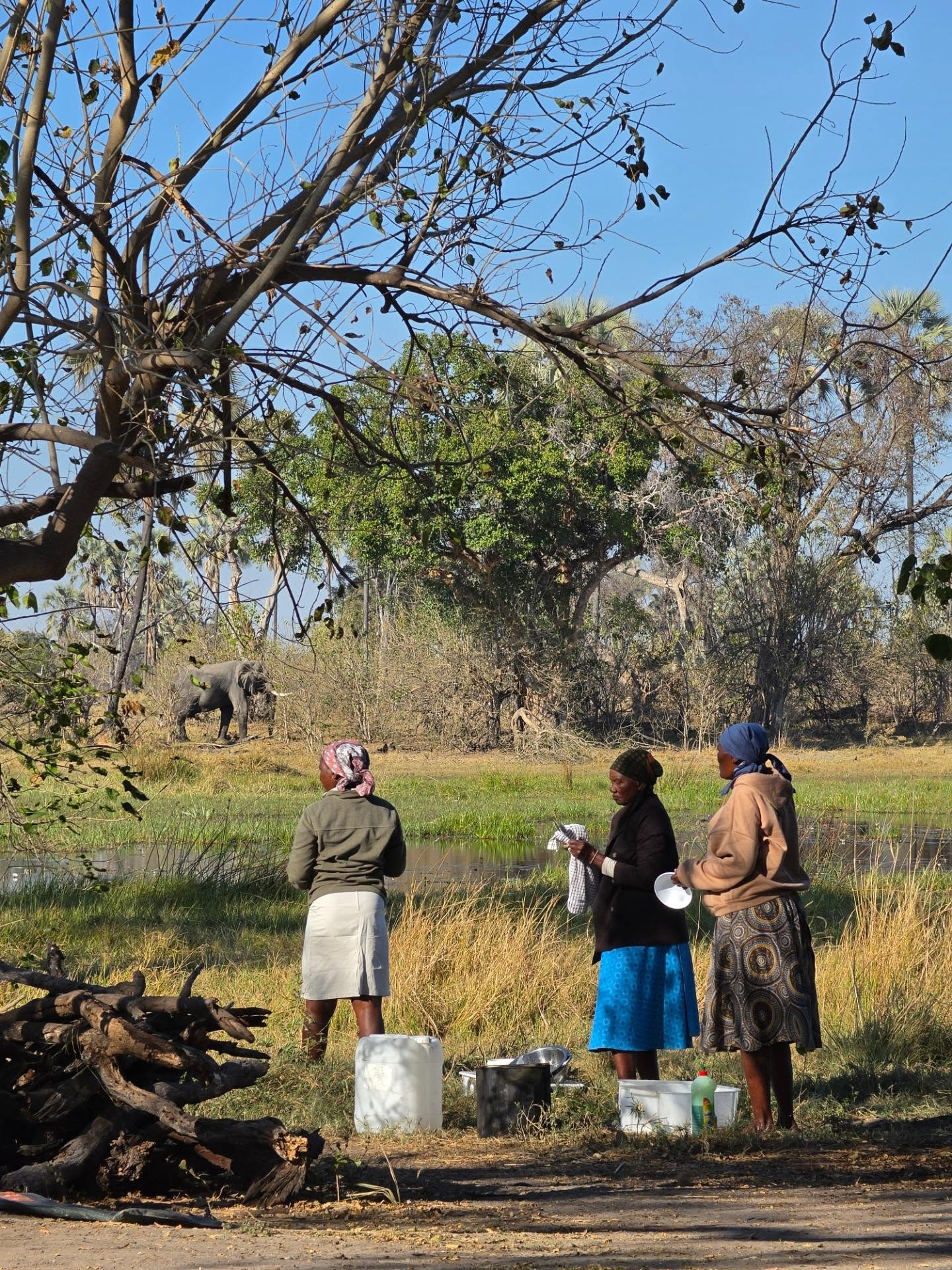
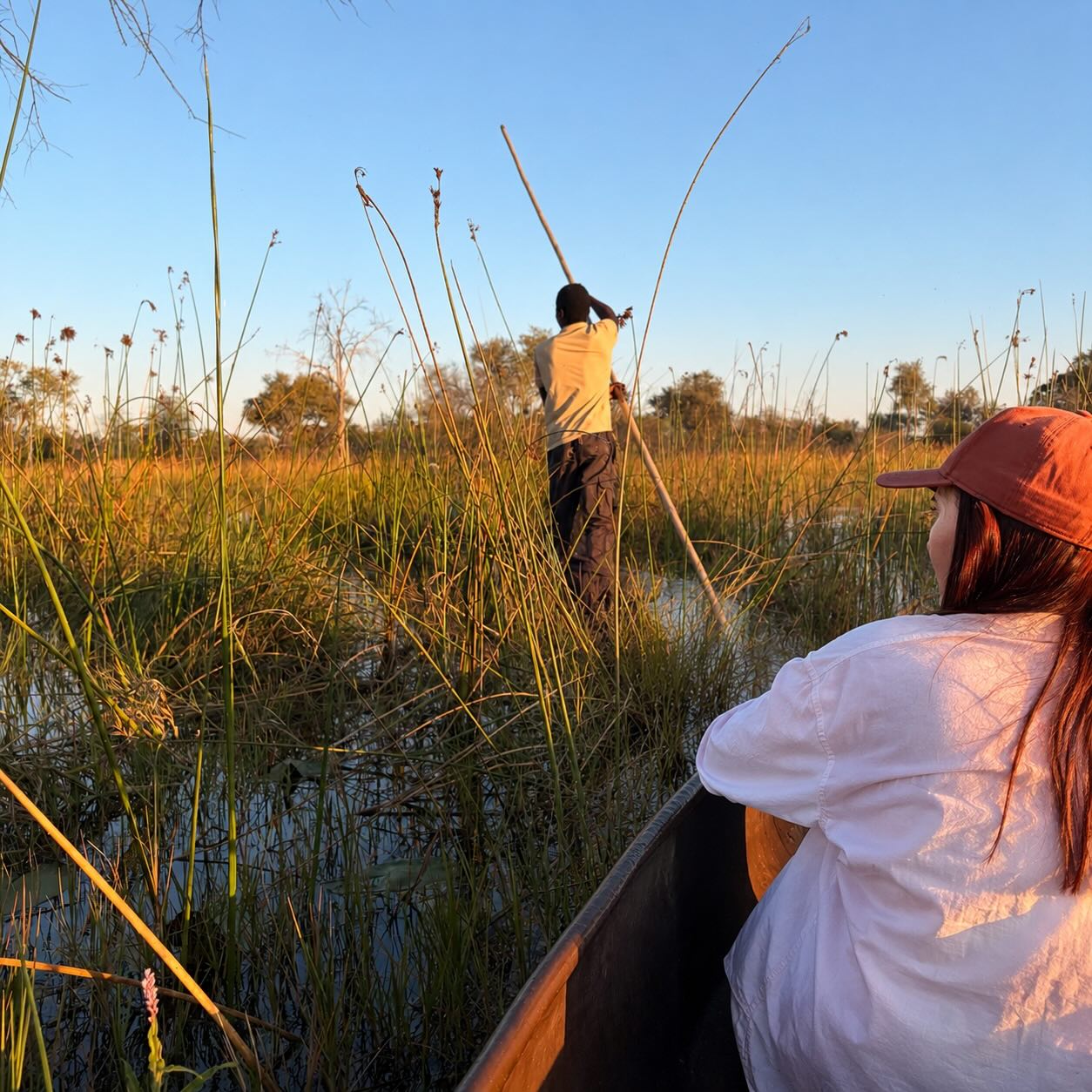
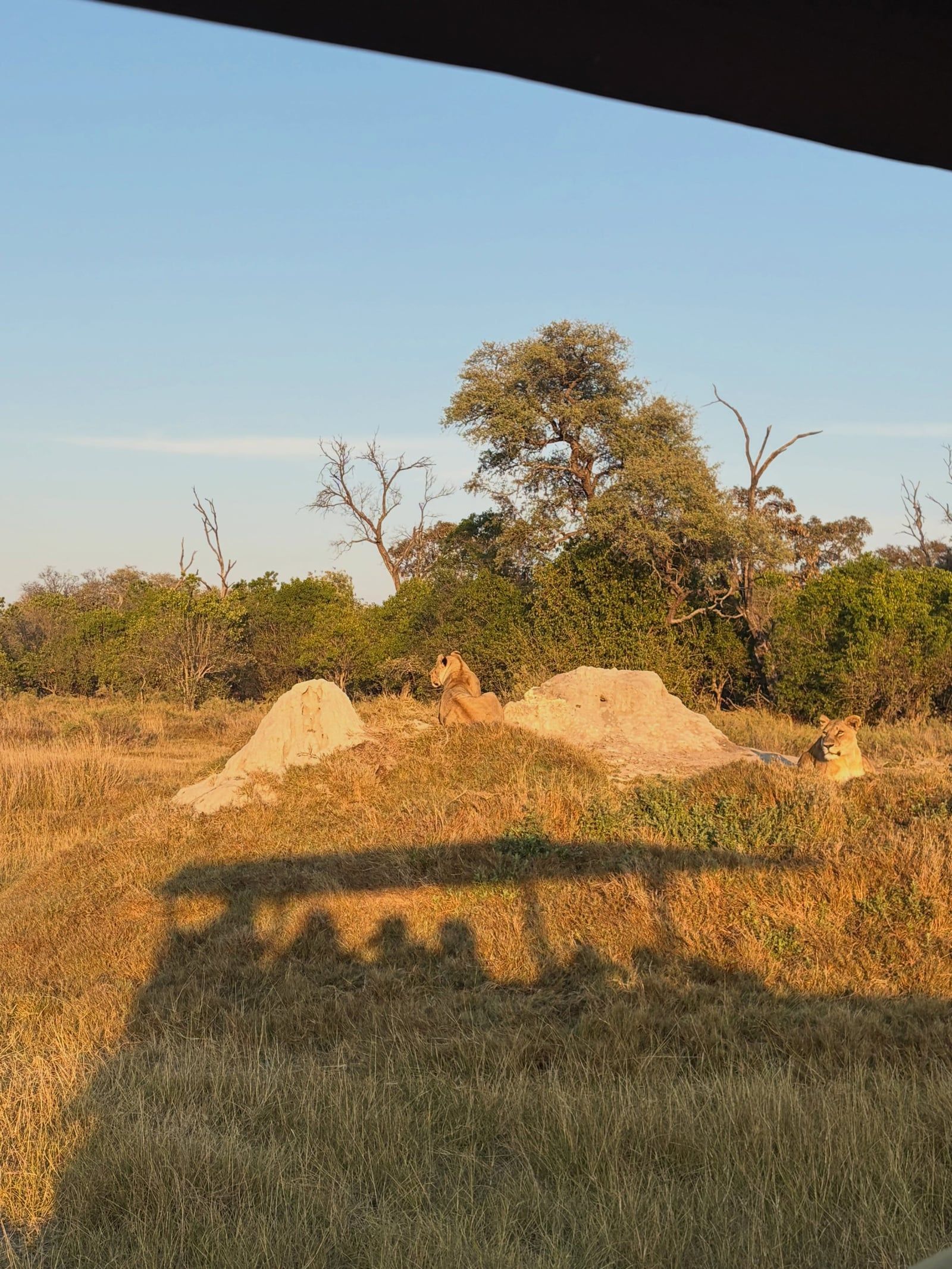
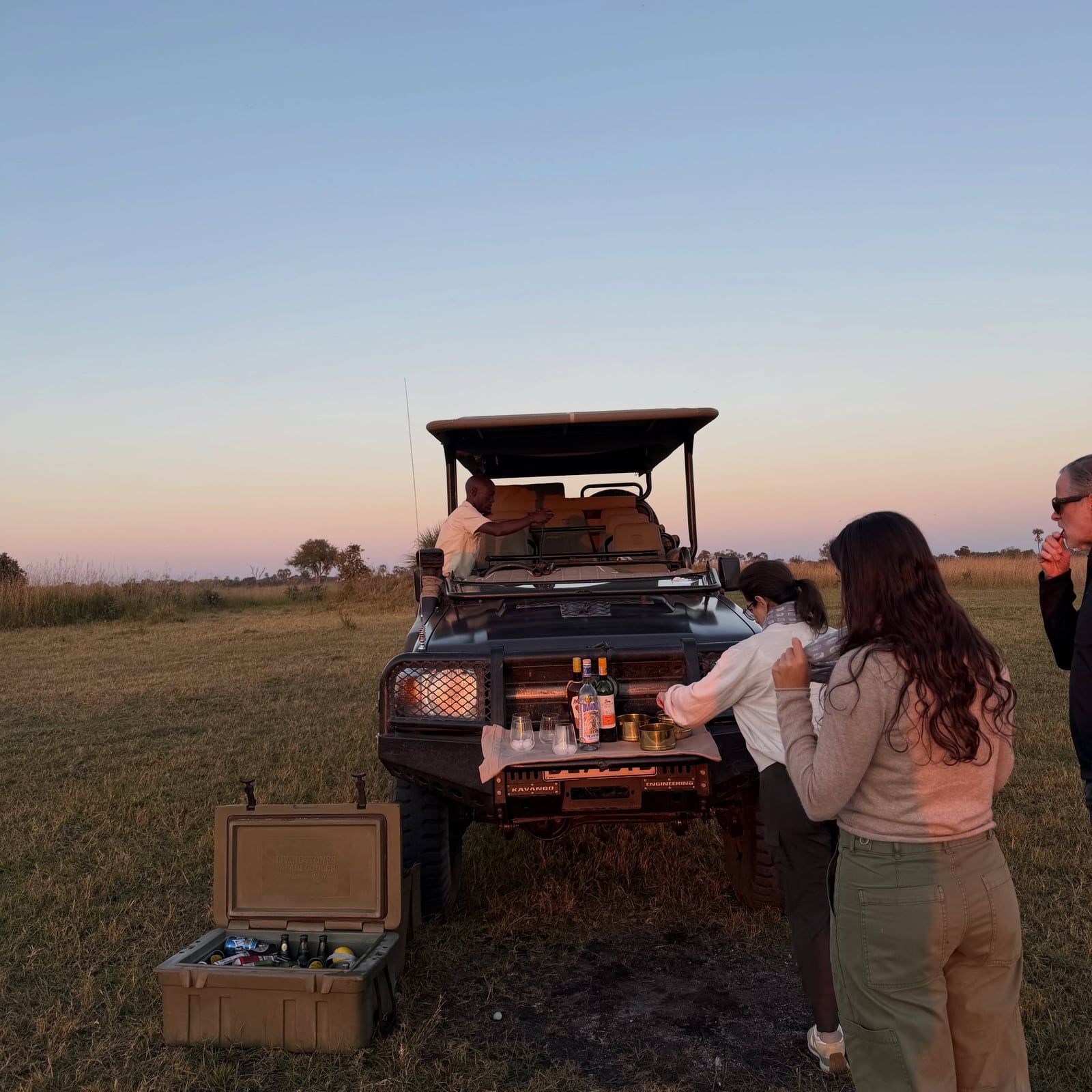
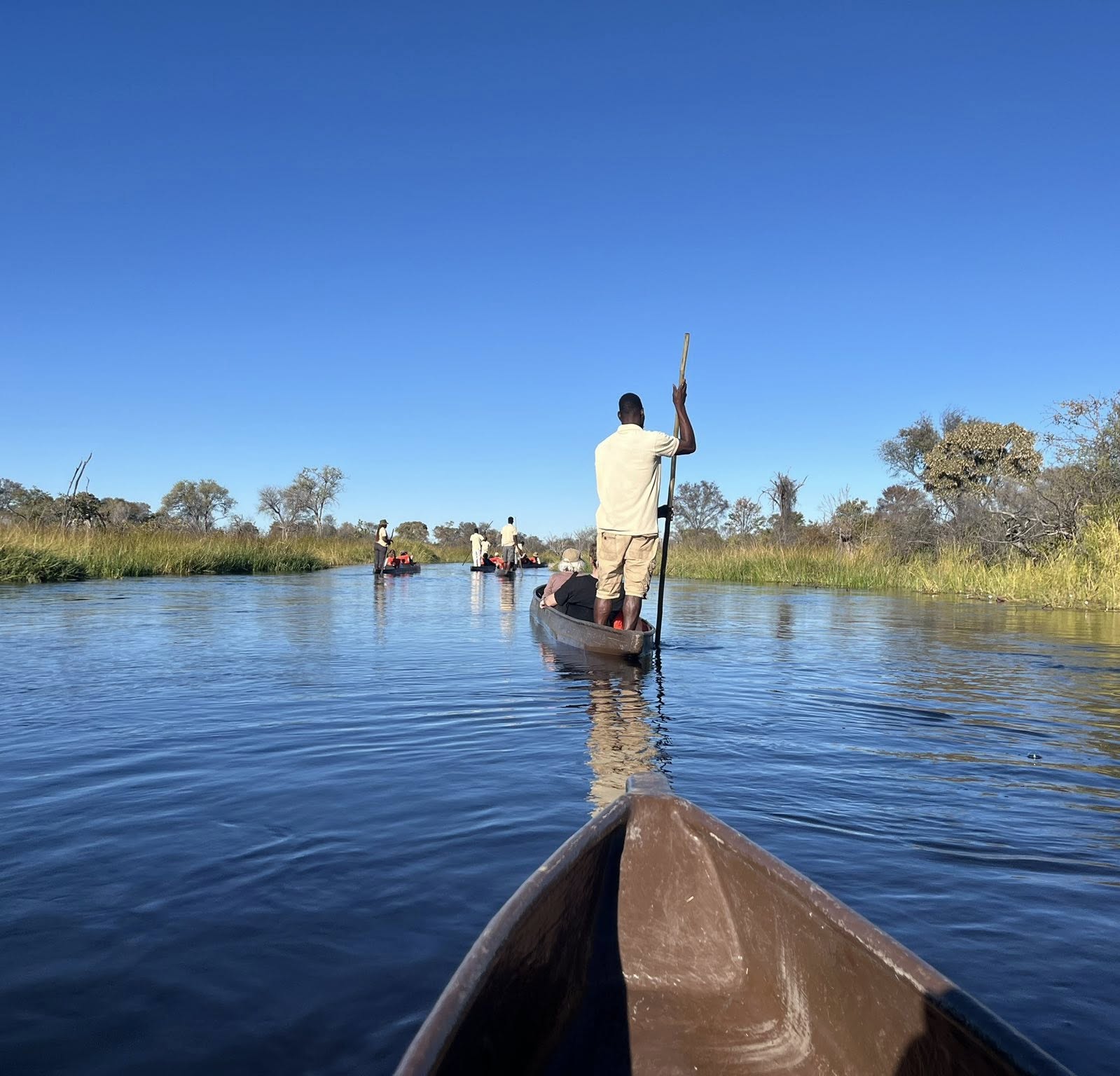
Three days gets you the delta's two halves: water and land. You'll be poled through channels in a mokoro with frogs and water-lilies at arm's length, then track lion and wild dog across Moremi's mopane woodland with a guide who knows the individual animals. Botswana's roughly 130,000 elephants — the world's largest national population — make the delta their core area, so elephant encounters are close to guaranteed.
A poler stands at the stern of a dugout canoe — traditionally carved from ebony or sausage-tree wood — and pushes you through channels too shallow for any boat. You drift past reed beds, day water-lilies and painted reed frogs at eye level, with elephants and red lechwe on the banks. Most outings run 2–4 hours.
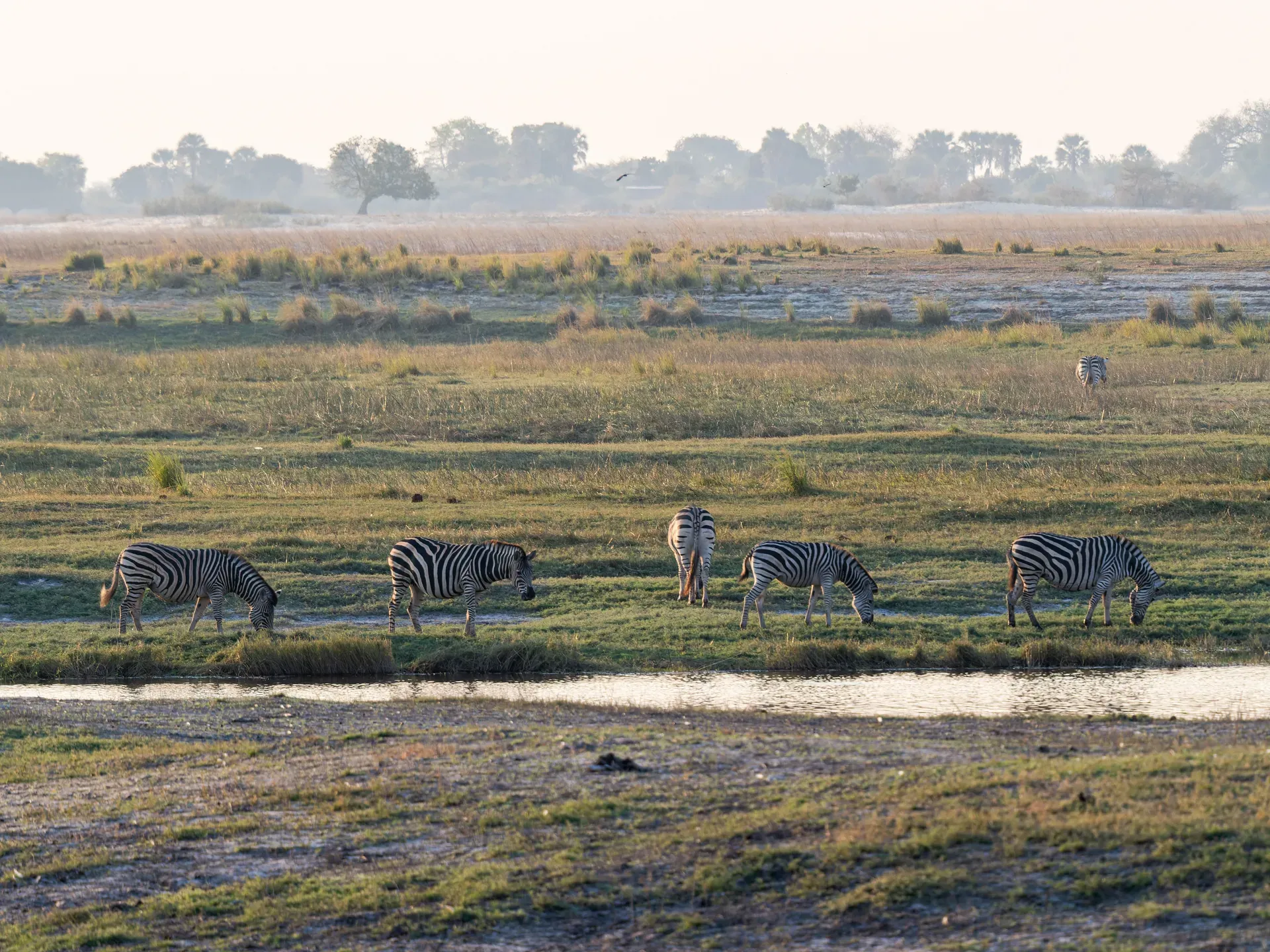
Moremi Game Reserve holds lion, leopard, rhino, buffalo and elephant, plus Africa's largest red lechwe population and one of the continent's strongest African wild dog strongholds. A single day can pair lion tracking near Chief's Island with a lagoon cruise at Xakanaxa. Dry-season drives (June–October) concentrate game around permanent water.
The delta is an Important Bird Area with 24 globally threatened species, including six vultures, the Wattled Crane, the Slaty Egret and the Southern Ground-Hornbill. Serious birders come specifically for the Pel's fishing owl around Xakanaxa. November–April adds migratory species in breeding plumage.
Small planes and helicopters run 10–45 minutes from Maun to the bush airstrips, and the flight itself is half the reason to fly in — palm islands and winding channels spread across up to 15,000 km² at peak flood. Helicopters give the better photo angles. Most travelers say the aerial view is the moment the delta's scale finally makes sense.
The delta's largest landmass was the BaTawana royal hunting ground; today its floodplain edges support some of Africa's densest predator populations. Camps on the island, such as Mombo, are known for leopard, lion and wild dog sightings from raised wooden walkways. It's the flagship stop on any land-based itinerary.
Just outside Moremi's North Gate, the community-run Khwai Concession allows what the reserve itself bans: night drives and walking safaris with armed guides. Vehicle numbers at sightings are capped. You pay only camping fees here, no daily entrance fee — the value pick for self-drivers.
Every night here must be booked before you travel — Moremi campsites can't be booked at the gate, and lodges fill a year ahead for June–October. Here's what else shapes the decision.
Delta lodges sell out roughly a year ahead for the June–October peak, and Moremi entry is by valid permits and confirmed bookings only. The sought-after campsites are Third Bridge, Xakanaxa, South Gate and Khwai. For the 3-day tours on this page, book at least a few weeks out in high season.
Small-group guided tours with an English-speaking guide are standard — both 3-day options here include one, plus all meals (breakfast, lunch, dinner). Longer fly-in lodge packages bundle light-aircraft transfers and cost $525–$3,000+ per person per night. Guided road-based tours from Maun keep costs down and suit first-timers.
There's no single delta entrance ticket, and tours don't always cover park fees — check before you book. Moremi costs BWP 270 per international visitor per day (BWP 205 for SADC residents) on the 2025 Category A schedule, plus a vehicle fee; camping adds roughly BWP 60 per day. Pay at the DWNP office in Maun, behind the police station, and keep receipts — they're checked at each gate.
The 3 Days Okavango Delta Safari Tour offers a full refund if you cancel at least 24 hours before departure. The Mokoro Safari Adventure has a tiered policy: full refund 6+ days out, 50% between 2 and 6 days, nothing inside 2 days. If your plans are loose, the first one is the safer bet.
Kasane is about an hour's flight from Maun and the natural add-on: Chobe National Park's riverfront elephant herds, then Victoria Falls. Tsodilo Hills (4,500-plus rock paintings, Botswana's first UNESCO cultural site) lies roughly four hours' drive from Maun via Shakawe. Makgadikgadi's salt pans and zebra migration are another common combination.
Hot-air ballooning runs roughly April to September — dawn drifts over the floodplains, ending with a bush breakfast, booked at extra cost through camps. Scenic helicopter flights out of Maun are the alternative for aerial footage, since drones are effectively banned. Light-aircraft transfers double as sightseeing flights.
Both 3-day tours note they're not recommended for travelers with spinal injuries, pregnant travelers, or those with poor cardiovascular health, though they're listed as suitable for all fitness levels. Wheelchair infrastructure barely exists in the inner delta: sandy paths, vehicle stairs and water crossings. Contact the operator well in advance if you need ground assistance or a private vehicle.
Most delta camps accept children from 6 or 7, with two-bedroom family tents; under-16s often must share with an adult. Walking safaris generally require age 16+, and families with children under 12 usually need a private vehicle at extra cost. The Mokoro Safari Adventure allows infants on an adult's lap.
Swipe to see more
| 3 Days Okavango Delta Safari Tour | 3 Day Mokoro Safari Adventure | Mokoro Day Trip from Maun | Fly-in Lodge Package | |
|---|---|---|---|---|
| Duration | 72 hours (3 full days) | 72 hours (3 days by canoe) | 2–4 hours (about 3 hours on average) | 3–7 nights (5–7 recommended) |
| Best For | First-timers wanting game drives and the classic safari circuit | Slow travel at water level with locally born guides | Travelers short on time or on a budget | Comfort-first travelers combining water and land camps |
| Includes | English-speaking guide, all meals (breakfast, lunch, dinner), arrival pickup with a name sign | All meals, mokoro transport, hotel/guesthouse/lodge pickup in Maun | Guided mokoro excursion through the channels | Light-aircraft transfers (10–45 min), meals, guided activities |
| Price From | $844.37 per person | $660 per person | $150–260 per person | $525–$3,000+ per person per night |
| Cancellation | Full refund up to 24 hours before departure | Full refund 6+ days out; 50% between 2–6 days; none within 2 days | Set by individual operators — confirm when booking | Varies by lodge; often stricter in peak season |
Swipe to see more
The delta itself is open year-round, but access runs through reserve gates and booked camps. Moremi Game Reserve gates open at sunrise and close at sunset: 06:00–18:30 from April to September, and 05:30–19:00 from October to March.
Entry is by valid permits and confirmed bookings only, and you must reach your campsite well before gate-closing time. Driving at dusk in deep sand is when most vehicles get stuck or lost.
Almost everyone flies into Maun Airport (MUB), the delta's gateway. Airlink and CemAir connect from Johannesburg (1h30–2h), Air Botswana flies from Gaborone (~1h20) and Kasane (~1h), and Ethiopian Airlines is the only long-haul carrier into Maun.
From Maun, nearly all camps are fly-in: light aircraft and helicopters cover 20–300 km to bush airstrips in 10–45 minutes (US$220–260 per person one-way). Road-and-boat transfers take 2–6 hours depending on water levels and cost around US$100–400 per trip.
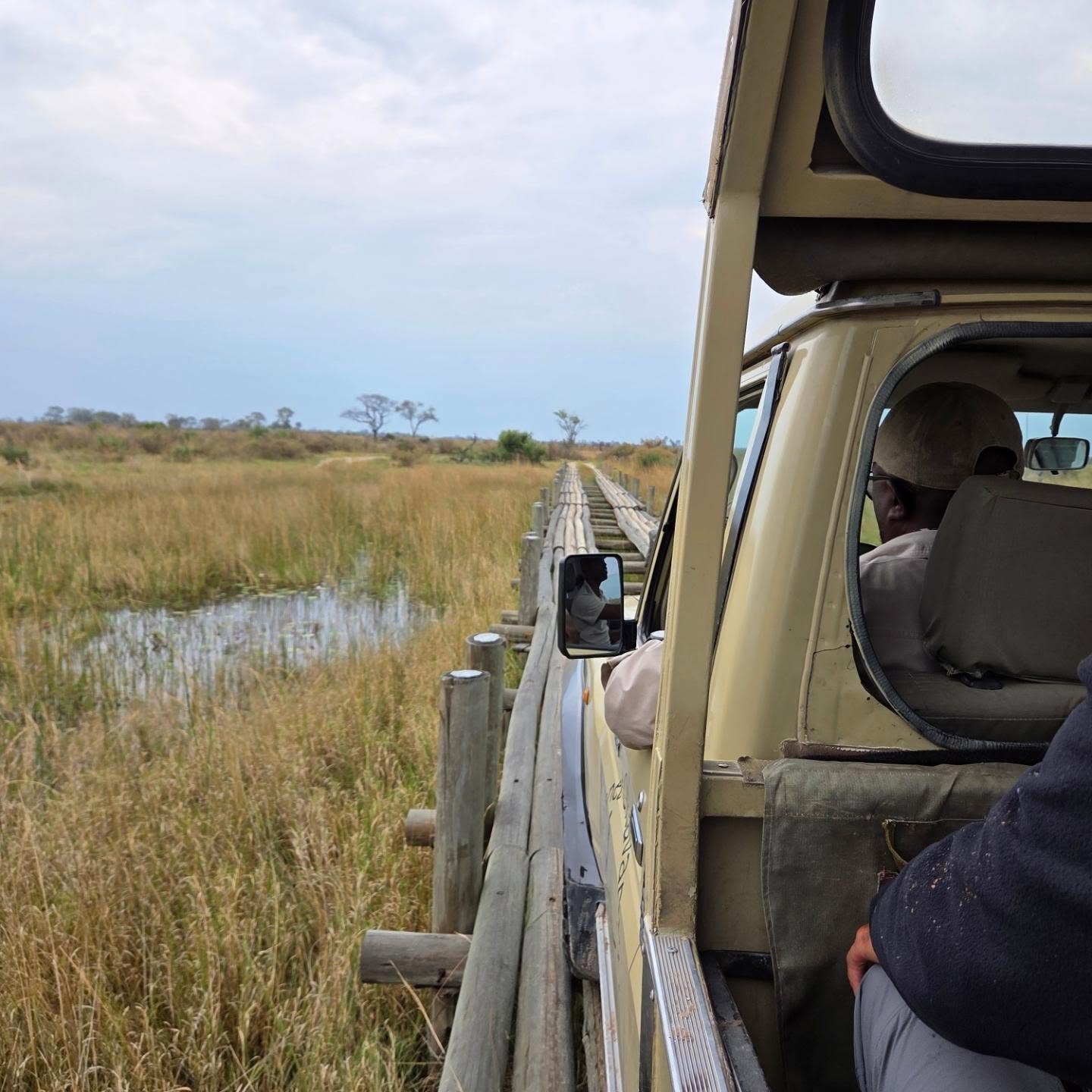
Self-drivers cover 92–100 km from Maun to Moremi's South Gate in 2–3.5 hours — tarred to Shorobe, then dirt. A high-clearance 4WD is mandatory; roads are deep sand and mud with water crossings, especially November–March. Campsite bookings must be confirmed before entry.
May to August is flood season: the Angolan floodwater arrives during the dry winter, peaking in July, when mokoro, motorboat and game-drive activities all run. June to October is the broader dry season with the best game viewing, as animals concentrate on permanent water. May is the value sweet spot before peak rates kick in.
Skip January to March if you can. Peak rains close roads and some areas to self-drivers, and some lodges shut down. October delivers superb game viewing but daytime highs above 30°C and low water in the channels.
November–April is the green season: lush scenery, migratory birds in breeding plumage, lower prices — but limited water-based activities. Water levels can shift by several weeks each year depending on the Angolan rains, so verify conditions shortly before travel.
Formal wheelchair infrastructure is very limited. Inner-delta tourism runs through small tented camps reached only by light aircraft, with sandy paths, stairs onto vehicles and water crossings rather than ramps or boardwalks. Vehicle-based game drives are the most feasible activity; contact specific camps well in advance to arrange private vehicles and ground assistance.
Older travelers generally do fine once in camp — light-aircraft hops of 10–45 minutes replace long road journeys, and no walking is required on game drives. Staff assist with boarding and steadying mokoros. The main considerations are malaria prophylaxis, strong sun, and the heat of September–October.
Both 3-day tours on this page list themselves as not recommended for travelers with spinal injuries, pregnant travelers, or those with poor cardiovascular health. Walking safaris generally require a minimum age of 16.
There is no cell signal inside the park — download offline maps, carry a paper backup and leave your route with someone in Maun. Drink bottled water only; tap water in Botswana should be avoided.
Tipping runs in cash: US$10–20 per day for guides, US$5–15 for drivers, roughly US$20 per guest per day for lodge staff via the communal tip box. Bring small US dollar or pula notes.
Inside Moremi the speed limit is 40 km/h, with no night driving, no off-road driving, no feeding animals, and visitors must stay in their vehicles except at designated areas. Guides in the reserve may not carry firearms. In private concessions, night drives, off-roading and armed walking safaris are permitted.
Leave the drone at home: drones must be registered with the Civil Aviation Authority of Botswana (BWP 250, foreigners apply in writing in advance), and flying over national parks and game reserves is prohibited outright. Drones have been confiscated from arriving passengers. Book a scenic helicopter or light-aircraft flight instead.
Three nights is the accepted minimum, and both tours on this page run exactly three days. 5–7 nights is the recommended length if you want the full rhythm of water and land camps. A mokoro excursion itself averages about 3 hours, so even a short trip gets you onto the water.
Not always — check the inclusions before booking. Moremi Game Reserve costs BWP 270 per international visitor per day (BWP 205 for SADC residents) on the 2025 Category A schedule, plus a vehicle fee. Pay at the DWNP office in Maun or at the gate and keep every receipt, as they're checked at each gate.
Both 3-day tours include all meals — breakfast, lunch and dinner — and an English-speaking guide. The standard safari tour meets you on arrival with a sign displaying your booking name. The Mokoro Safari Adventure arranges pickups from hotels, guest houses and lodges around Maun. Dietary requirements (vegetarian, vegan, gluten-free) can be accommodated if flagged at booking.
As early as you can for June–October — lodges fill up roughly a year ahead for the peak dry season, and Moremi campsites can't be booked at the gate. The 3 Days Okavango Delta Safari Tour allows free cancellation up to 24 hours before departure, which gives you flexibility if plans shift. The Mokoro Safari Adventure only refunds fully if you cancel 6 or more days out.
Mokoro trips are calm and slow — you sit at water level while a poler pushes the canoe through shallow channels, and camp staff assist with boarding and steadying. Most camps accept children from 6 or 7 years old, though families with under-12s usually need a private vehicle at extra cost. Both 3-day tours do list themselves as not recommended for pregnant travelers or those with spinal injuries or poor cardiovascular health.
Expect reed beds, day water-lilies, painted reed frogs and elephants or red lechwe along the banks — the canoes go through channels too shallow for any boat, so wildlife views are at eye level. The delta holds 482 bird species, and the Pel's fishing owl around Xakanaxa is a realistic tick. Mokoro outings run 2–4 hours.
Yes — the delta is classified as a higher-risk malaria area, especially in the north and during the November–April rains. Take prophylaxis year-round, use repellent and long sleeves at dawn and dusk, and sleep under nets in camp. Drink bottled water only.
Yes, but it takes planning. Mokoro day trips from Maun cost US$150–260 per person, and the 3-day Mokoro Safari Adventure runs $660 all-in. Self-driving Moremi works out cheapest if you have a proper 4WD and pre-booked campsites; the Khwai Community Area charges camping fees only, with no daily entrance fee.
Essentially no. Drones must be registered with the Civil Aviation Authority of Botswana (BWP 250 fee, foreigners apply in writing in advance), and flying over national parks and game reserves is prohibited outright. Drones have been confiscated at Botswana airports. Book a scenic helicopter or light-aircraft flight instead — helicopters give the better photo angles.
If you're flying between camps, stick to the 20 kg (44 lb) soft-bag limit including hand luggage. Pack neutral khaki and olive tones (camouflage is illegal for civilians), warm layers for open-vehicle winter mornings, and long sleeves for mosquitoes. Bring small US dollar or pula notes in cash for tips — about US$10–20 per day for guides.
Browse verified tours with free cancellation and instant confirmation.
Find Tours


This safari runs three full days with an English-speaking guide, and all meals are covered — breakfast, lunch, and dinner for the duration of the trip. A guide meets you on arrival holding a sign with your booking name, so there's no need to arrange your own transfer to the start point. Anything beyond meals and guiding isn't covered in the price; budget separately for extras. Cancel at least 24 hours before departure for a full refund.
For a full refund, cancel at least 24 hours before the scheduled departure time.
English


This three-day trip travels the Delta by mokoro — the dugout canoe locals have used for generations — poled by guides who were born and raised in the region. It's slow travel: you sit at water level, moving through channels by pole rather than engine, with stops explained by someone who grew up on these waterways. Groups are kept small, so you get real time with your poler-guide rather than a scripted commentary. Nights are spent camping. You sleep under the stars, fall asleep to animal sounds, and wake up with water and reeds around you. All three meals — breakfast, lunch, and dinner — are included across the trip. The pace is unhurried by design; this is a trip about covering the water slowly, not racking up sightings. Pickup is arranged after booking from any hotel, guest house, or lodge around Maun, and the operator contacts you to confirm the exact spot. Guiding is in English. Cancel 6 or more full days before departure for a full refund; between 2 and 6 days out, you get a partial refund, and inside 48 hours nothing comes back.
If you cancel at least 6 full day(s) before the scheduled departure time, you will receive a full refund.<br>If you cancel between 2 and 6 day(s) before the scheduled departure time, you will receive a 50% refund.<br>If you cancel within 2 day(s) of the scheduled departure, you will receive a 0% refund.
English