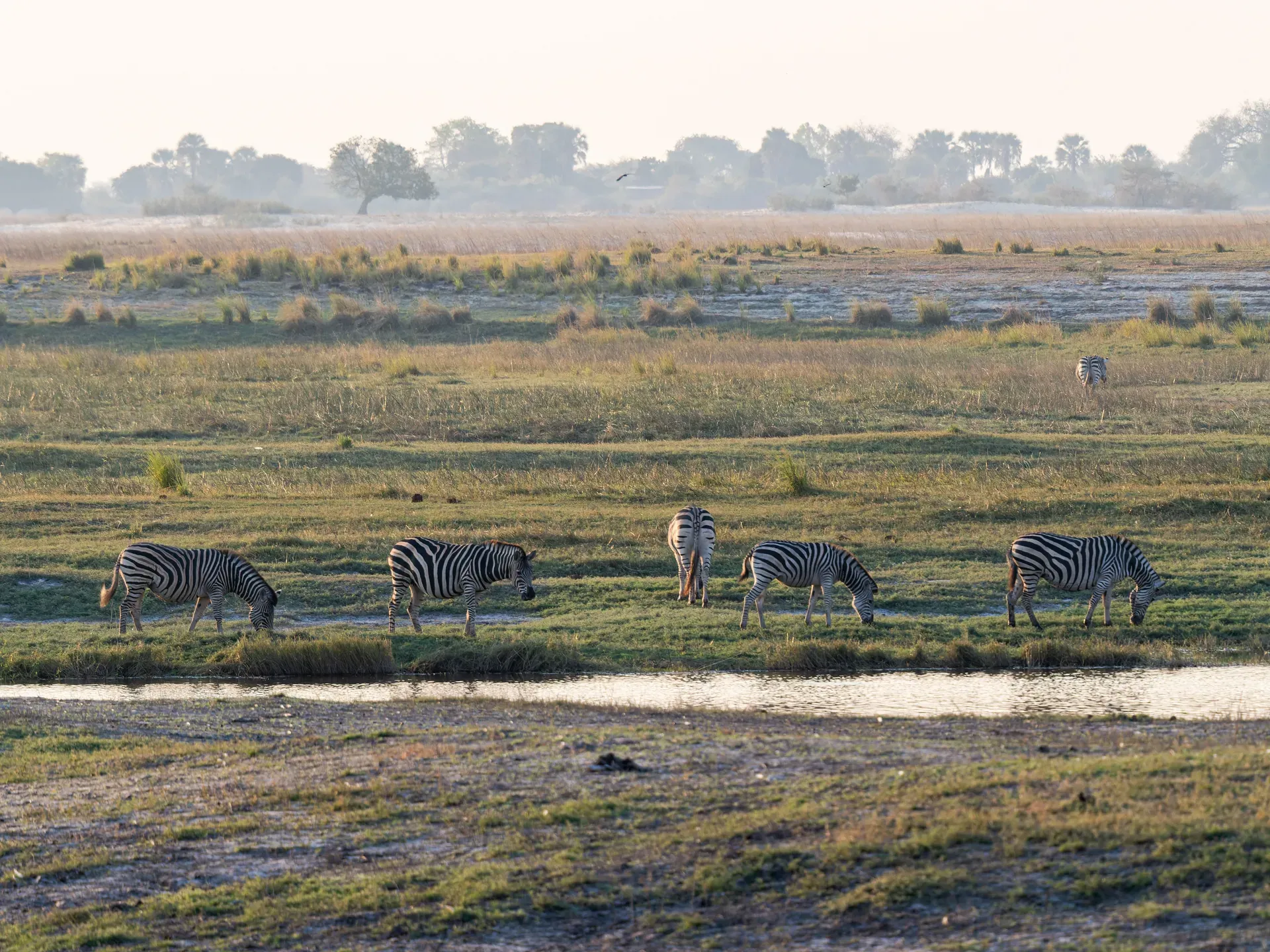
Glide through the Okavango Delta's narrow channels and past its islands in a traditional mokoro canoe, poled by local guides who grew up on these waters. Tours range from 8-hour day trips to multi-day wild camping adventures, most with hotel pickup from Maun and full catering included.

Full-day mokoro canoe trip in the NG32 Concession with island lunch and a guided walk, from Maun.

All-inclusive 2-night mokoro wildcamping trip in the NG32 concession, with Maun hotel pickup included.
 Free Cancellation
 3-day, 2-night mokoro camping trail in the Okavango Delta with a chef and community-trust guide, meals included.
 Free Cancellation
 9-hour shared mokoro day trip from Maun: dugout canoe ride, guided nature walk, lunch and hotel pickup included.
 Free Cancellation
 8-hour mokoro canoe day trip from Maun with breakfast, lunch, snacks, and all fees included.
 Free Cancellation
 Full-day mokoro trip from Maun: hotel pickup, 1h drive to Morutsa, then about 7h poling channels and lagoons. Lunch included.
 Free Cancellation
 One-night mokoro camping trip in the Okavango Delta with 4wd transfers, chef, and a community poler-guide.
 Free Cancellation
 8-hour mokoro canoe day trip with pickup, guided poling, island walking safari, lunch and drinks included.

12-hour small-group trip from Maun: mokoro canoe ride, island picnic lunch, and guided nature walk. Includes hotel pickup.

Three-day mokoro dugout canoe safari in the Okavango Delta with local polers, camping and all meals included.
Read what travelers share about their experience visiting Okavango Delta — from practical tips to personal highlights.
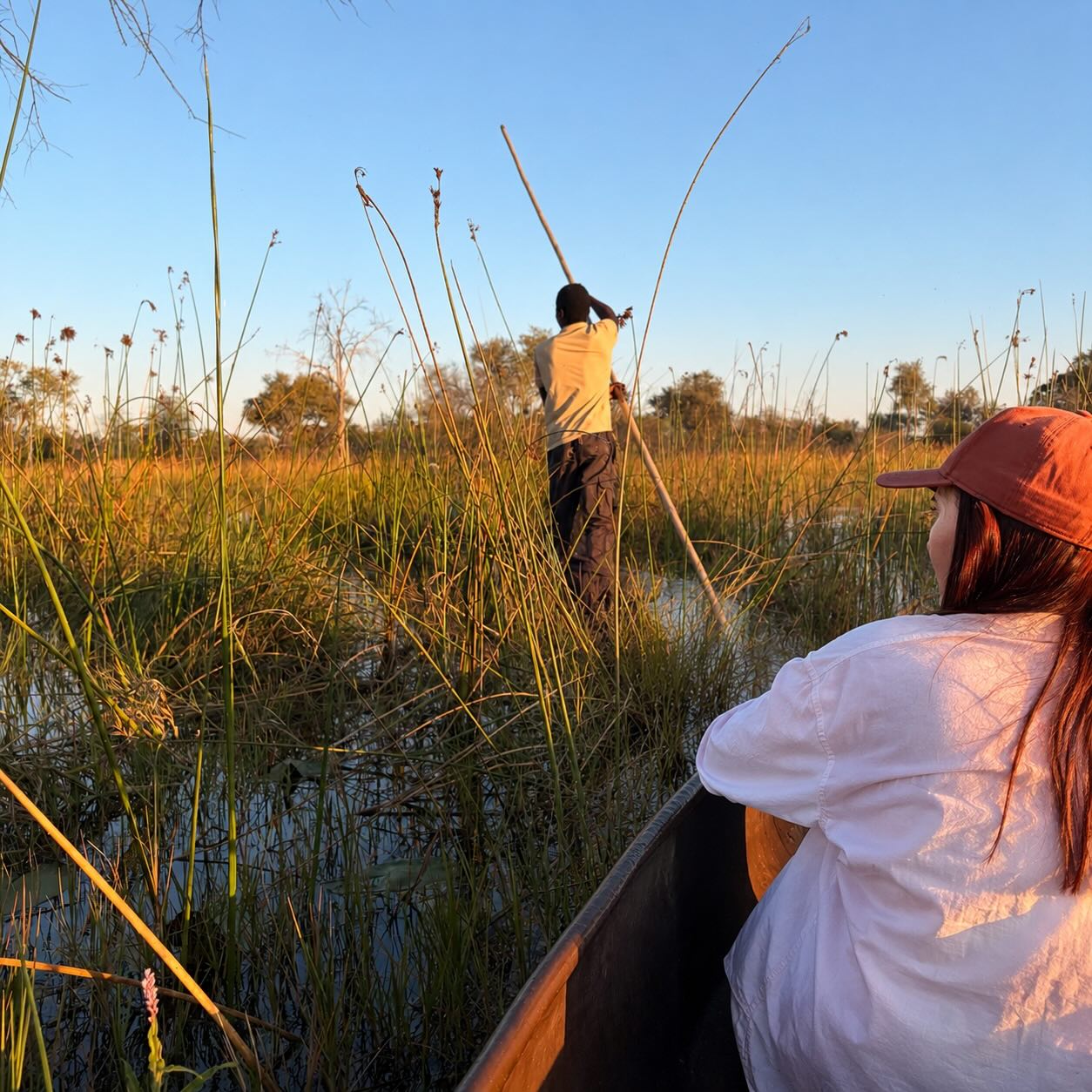
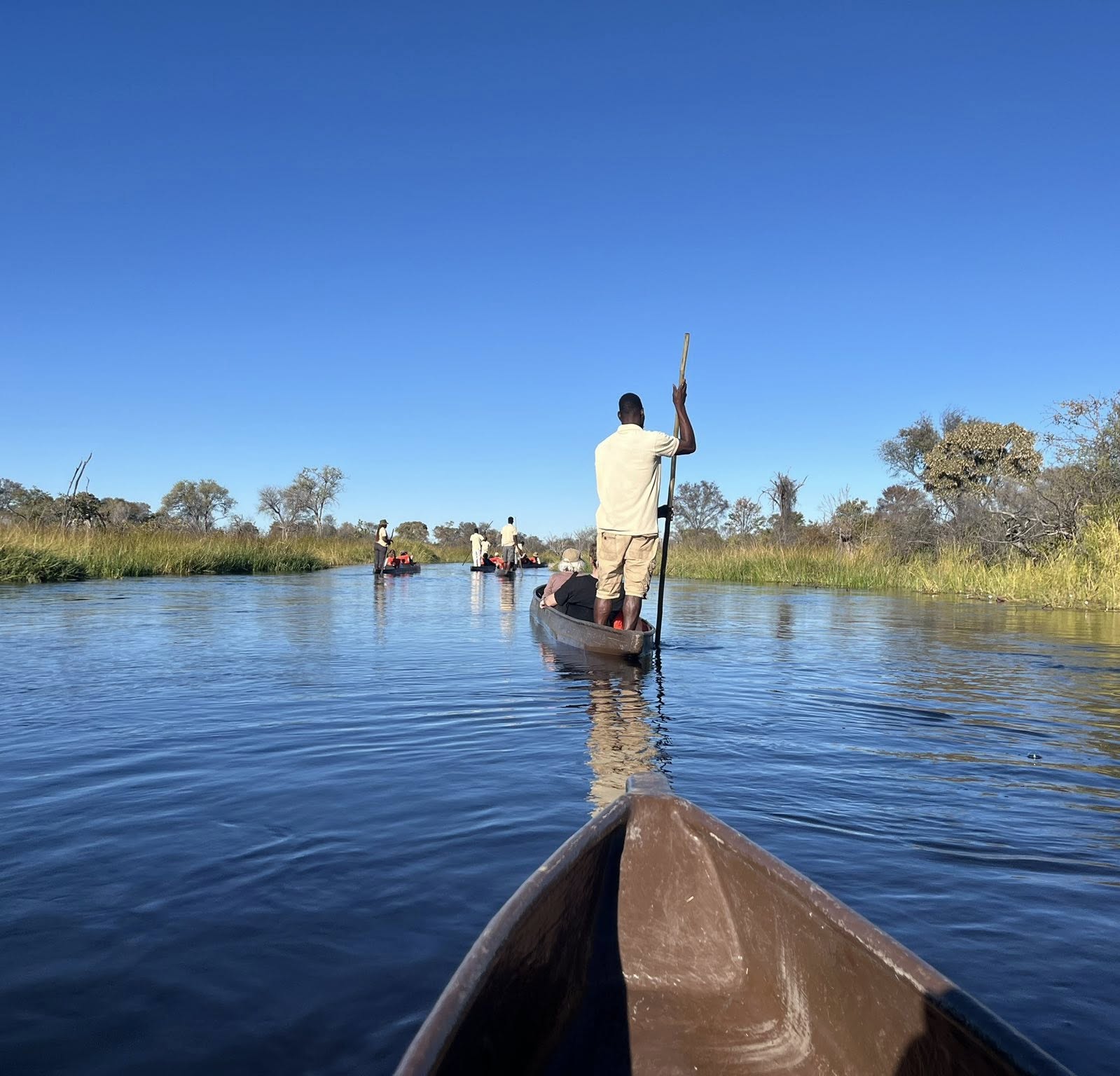
A poler who grew up in the delta stands at the stern of a dugout canoe and pushes you through channels too narrow and shallow for any boat with a motor. You sit inches above the water, close enough to see reed frogs on the stalks and elephant tracks in the mud of the bank. Most tours run the full day from Maun: hotel pickup around 7:30, a 45-minute to one-hour transfer to the delta's edge, then hours on the water plus a guided nature walk on an island.
The mokoro is the delta's traditional dugout canoe, poled from the stern, and it's quiet enough to drift within metres of red lechwe grazing the banks. Painted reed frogs and day water-lilies pass at arm's length. Most outings on the water run 2-4 hours; the full-day tours stretch to roughly eight hours of floating.
Polers come from the Mokoro Village Community Trust or the Okavango Mokoro Community Trust, allocated daily on rotation. All of them grew up in the delta and guide in English. They point out plants, birds and animal sign you'd never spot yourself.
Most day trips pause on an island for a walking safari with an armed or experienced local guide. You'll read tracks in the sand, learn which trees the elephants strip, and see the delta from ground level. Closed shoes are required for this part.
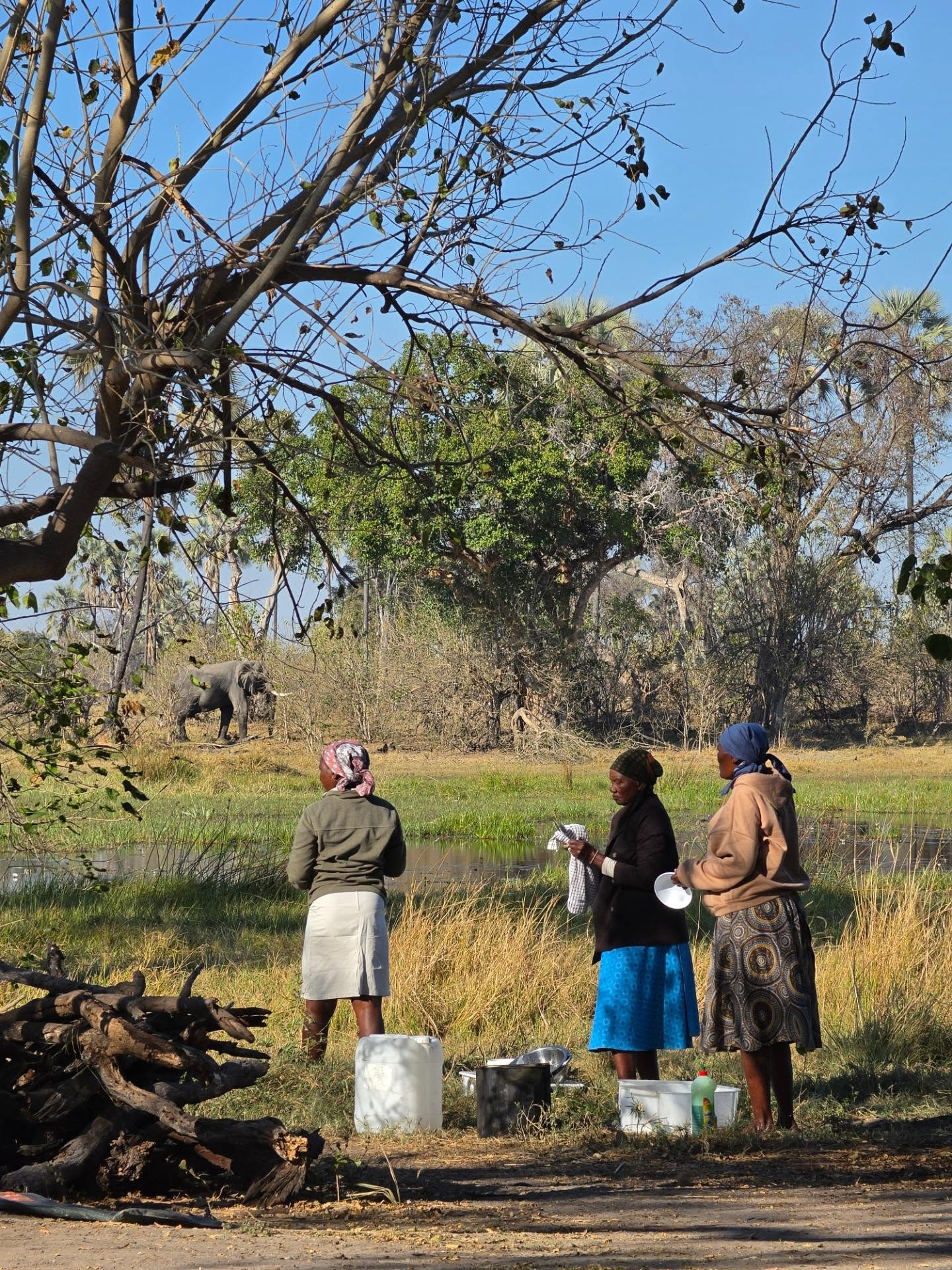
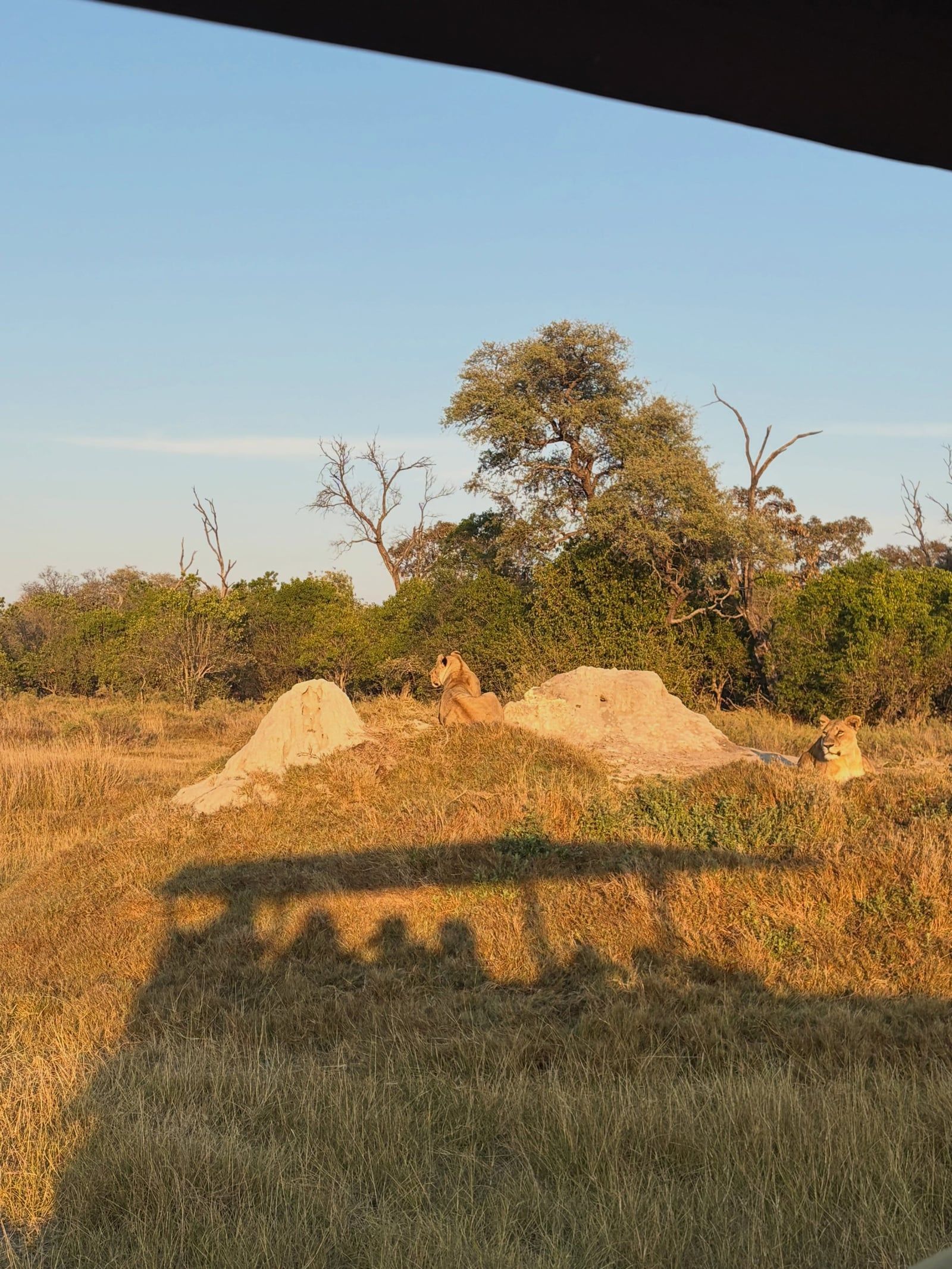
Expect a few animals, and manage expectations: these tours are about the water system, and operators say so plainly. Elephants and red lechwe appear along the banks, hippos surface in deeper lagoons, and birdlife is constant. Book a Moremi game drive separately if the Big Five is your priority.
Multi-day versions camp on islands for one or two nights, with a chef cooking full English breakfasts and dinners at camp. The 3-day all-inclusive version from Maun costs around $770-850. Bring a torch, hat, sunscreen, insect repellent and closed shoes.
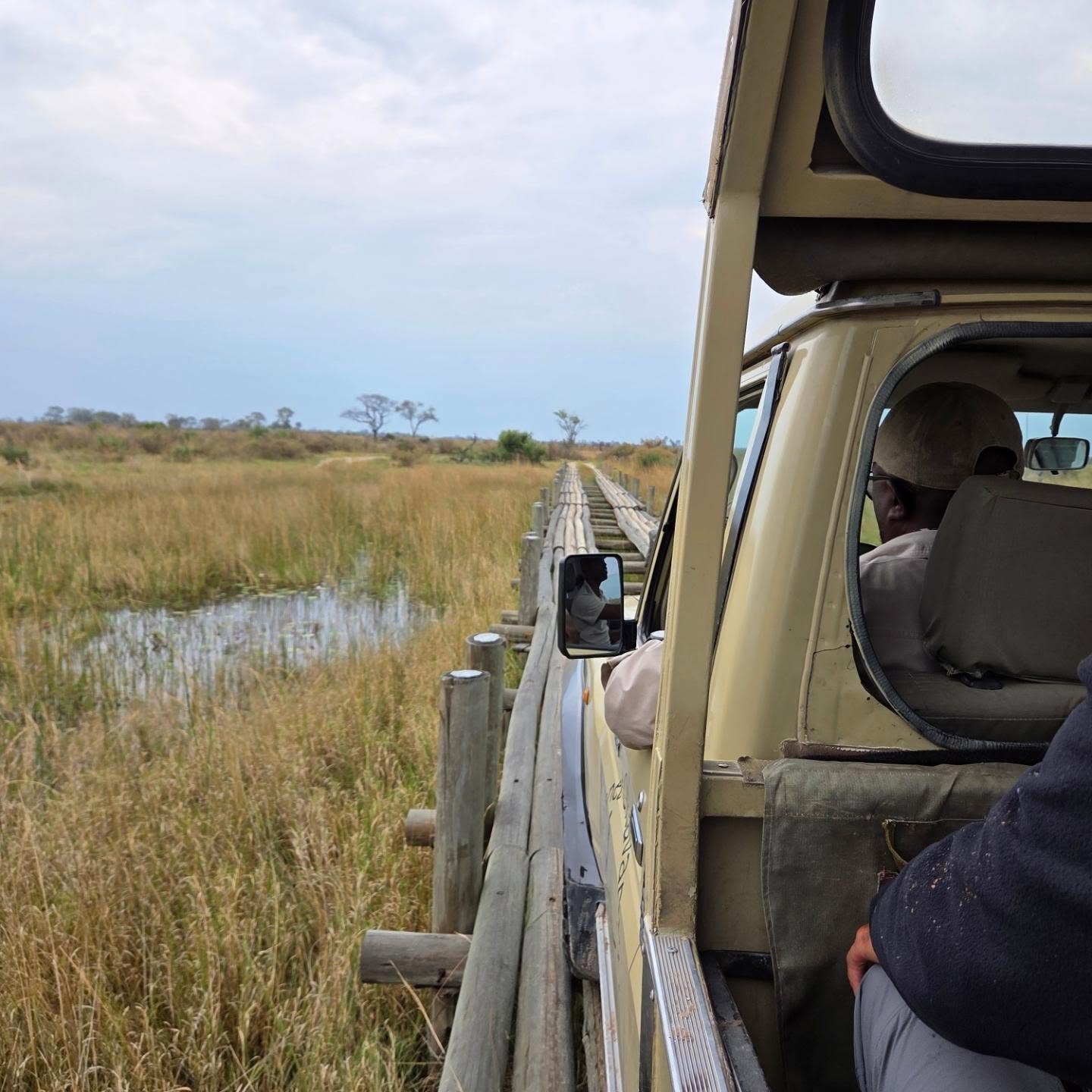
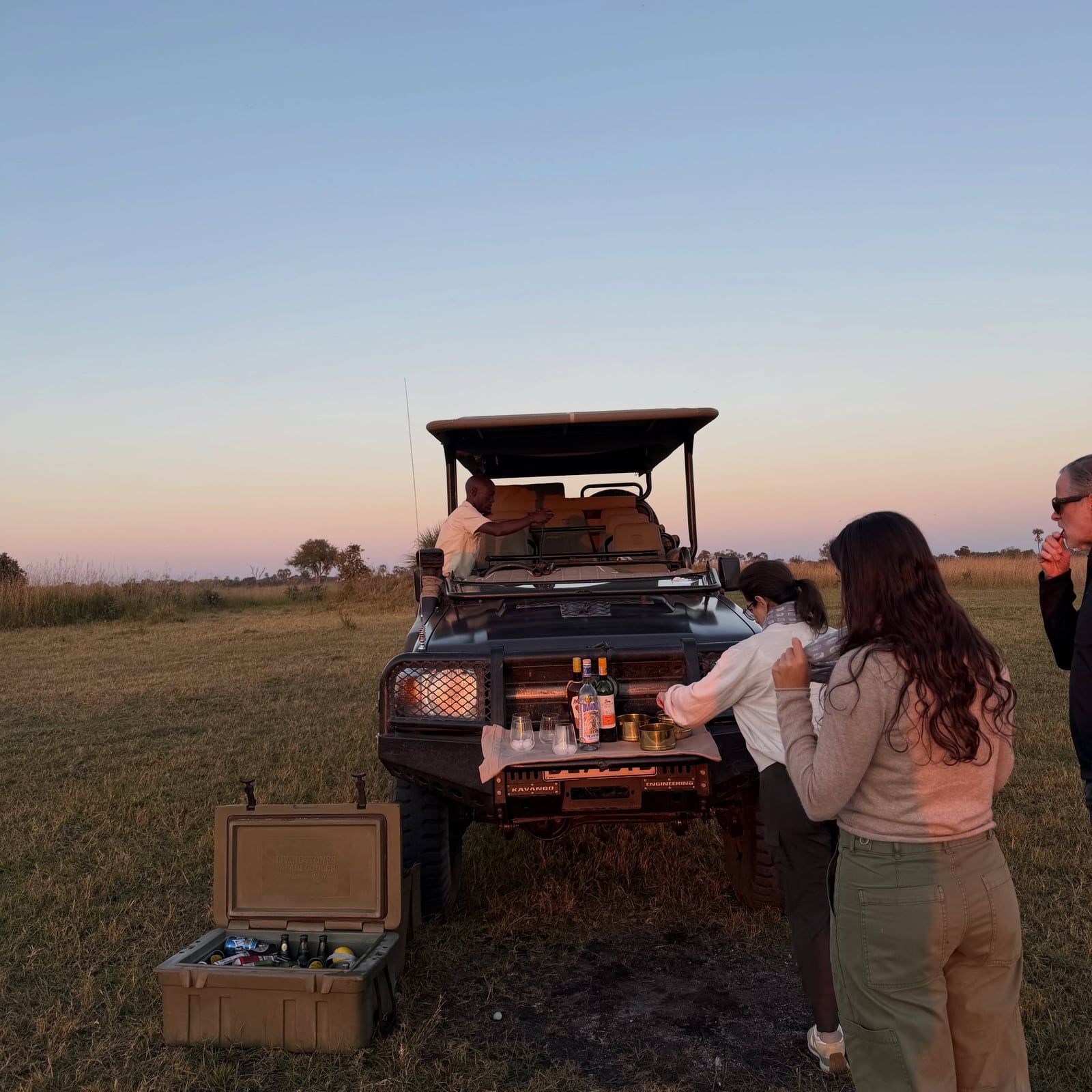
Getting to the water is part of the trip: pickup at 7:30 from your Maun hotel, then a 45-minute to one-hour drive to the NG32 Concession or the Morutsa mokoro station in an open-sided 4WD. Some transfers double as a game drive on the delta's edge.
Ten mokoro tours run from Maun, from a $156 day trip to an $850 three-day camping safari, and the differences between them matter more than the price gap suggests. Here's what to sort out before you pay.
Options range from an 8-hour day trip ($155.85, 4.76 rating from 100 reviews) to 2-night wild camping tours ($770-850) and a 12-hour full-day version with roughly eight hours on the water ($164). Day trips suit time-poor travellers; the 3-day versions give you the delta's early mornings and evenings, when camps and channels are at their best. All tours are guided in English by community polers — there's no audio or self-guided option.
Delta lodges fill a year ahead for June-October, and mokoro tours get tight in that window too. The best-reviewed day trip (4.76 from 100 reviews) has no refund if you cancel, so lock dates only when you're sure. May is the value pick before peak rates kick in.
Most tours bundle hotel transfers, lunch, bottled water and all fees — the $155.85 day trip even throws in soft drinks, and the $190 version adds breakfast and snacks. Alcohol is excluded almost everywhere. There's no separate delta entrance ticket, but note these tours operate in the NG32 Concession, not the centre of the delta and not Moremi, so no Moremi park fee (BWP 270/day international) applies.
Some tours are all sales final with no refund — read the policy before booking, not after. Others allow a full refund up to 24 hours before departure. The 3-day safari has a tiered policy: full refund 6+ days out, 50% between 2 and 6 days, nothing inside 2 days.
November to April is rainy season, and you're unprotected from weather on a mokoro day trip. Operators will cancel and reschedule if a heavy storm is expected — one more reason the May-October recommendation appears in nearly every tour's fine print. October is hot (daytime above 30°C) with low water in the channels.
Several tours flag spinal injuries, pregnancy and cardiovascular conditions as reasons not to go — you sit low in an unstable canoe for hours. Others accept all fitness levels. Children under 7 aren't allowed on the main day trip, and infants must sit on laps elsewhere. Moderate fitness is the safest assumption for the walking portion.
Mokoro trips pair naturally with other delta activities out of Maun: scenic helicopter or light-aircraft flights (US$220-260 one-way, 10-45 minutes) and Moremi game drives. Helicopters give the better photo angles, and most travellers who see the delta from above say it's worth the cost. Hot-air ballooning runs roughly April to September at extra cost through camps.
A mokoro is a dugout canoe you board from the water or mud — there's no ramp, seat-back support or restroom on board (one tour lists 'restroom on board' as an explicit exclusion). Camps in the inner delta are reached only by light aircraft with sandy paths and stairs. If mobility is a concern, vehicle-based game drives are the better delta activity, and camp staff assist with boarding mokoros where they can.
Swipe to see more
| Mokoro Day Trip (community trust) | Extended Full-Day Tour | Overnight Mokoro Trail (1 night) | Multi-Day Wild Camping (2-3 days) | |
|---|---|---|---|---|
| Duration | 8 hours | 9-12 hours | 16 hours | 72 hours |
| Price from (USD) | $155.85 | $164-235 | $500 | $660-850 |
| Best for | First-timers and short stays — the most-reviewed option (4.76 from 100 reviews) | Travellers who want maximum water time — one version spends roughly 8 hours on the water | A taste of sleeping on the delta's islands without committing to three days | Slow travellers who want the delta's mornings and evenings — best value per day on the water |
| Includes | Hotel transfer, poler from Mokoro Village Community Trust, lunch, soft drinks, water, all fees | 4WD open-sided transfer, lunch, professional English guide, entry fees | Mokoro ride, chef-cooked meals, camping gear (tent, linen, blankets, pillows), 4WD transport, fees | Full board, all transfers, mokoro excursions, nature walks, camping equipment; polers and guides from Okavango Mokoro Community Trust |
| Cancellation | No refund — all sales final | Full refund up to 24 hours before | Full refund up to 24 hours before | Varies: no refund to tiered (full refund 6+ days out) |
Swipe to see more
The delta is a natural area open year-round, but your tour hours are set by the operator, not a gate. Mokoro tours from Maun almost all start with pickup at 07:30 from your hotel; one version collects between 7:00 and 8:00, including from the airport. Day trips run 8-12 hours total, so you're back in Maun by mid-to-late afternoon.
If you add Moremi Game Reserve to your trip, its gates open at sunrise and close at sunset: 06:00-18:30 from April to September and 05:30-19:00 from October to March. Entry is by valid permits and confirmed bookings only, and you must reach your campsite well before gate-closing.
Self-drivers should be on the road at dawn. Driving at dusk in deep sand is when most vehicles get stuck or lost, and camps insist you arrive before closing.
Fly into Maun Airport (MUB), the delta's gateway. Airlink and CemAir connect from Johannesburg in 1h30-2h; Air Botswana flies from Gaborone in about 1h20; there's a roughly 1-hour flight from Kasane if you're pairing the delta with Chobe and Victoria Falls. Ethiopian Airlines is the only long-haul carrier into Maun.
All mokoro tours on this page pick up from Maun hotels, guesthouses and lodges — confirm your pickup point at least 24 hours before departure. From town, it's a 45-minute to one-hour transfer to the NG32 Concession or the Morutsa mokoro station.
Going independent? Maun to Moremi's South Gate is 92-100 km and takes 2-3.5 hours in a mandatory high-clearance 4WD — tar to Shorobe, then deep sand. Light-aircraft hops from Maun to bush airstrips take 10-45 minutes and cost US$220-260 one-way.
May to August is flood season: the Angolan floodwater arrives during Botswana's dry winter and peaks in July, when mokoro, motorboat and game-drive activities all run. May is the value sweet spot before peak-season rates apply.
June to October is the broader dry season with the best game viewing, as animals concentrate on permanent water. October delivers superb sightings but highs above 30°C and low water in the channels — temper your mokoro expectations then.
Skip January to March if you can: heavy rains close roads, some lodges shut, and tour operators cancel mokoro departures when storms are forecast. November to April suits birders — the green season adds migratory species in breeding plumage at lower prices, but you're unprotected from rain on the water.
A mokoro is a dugout canoe you board from water level, with no seat-back support, ramp or restroom on board. Several operators state the trip is not recommended for travellers with spinal injuries, pregnant travellers or those with poor cardiovascular health. Camp staff and polers do steady the canoe and help with boarding.
The main day trip excludes children under 7; on other tours infants must sit on an adult's lap. Walking safaris at delta camps generally require age 16+, and families with children under 12 usually need a private vehicle at extra cost.
Formal wheelchair infrastructure in the delta is very limited — sandy paths, stairs onto vehicles and water crossings rather than ramps. Contact specific camps well in advance; vehicle-based game drives are the most feasible activity, and a few larger lodges offer ground-floor or adapted rooms on request.
On the water there are no facilities — bring everything. Tours supply bottled water and lunch, several include soft drinks, and the $190 day trip adds breakfast and snacks. Alcohol is excluded almost everywhere.
Multi-day tours camp on islands with equipment provided: small linen tents plus, on some departures, blankets and pillows. The 2-night trail even includes a mokoro toilet. A chef travels with the group and cooks all meals at camp.
Pack: torch, sun hat or scarf, sunglasses, sunscreen, insect repellent and closed shoes for the walking safari. If you're flying on to a delta camp, the light-aircraft limit is 20 kg (44 lb) in soft bags, hand luggage included. Tap water isn't safe — bottled only.
No drones. Flying over national parks and game reserves is prohibited outright in Botswana, drones must be registered with the Civil Aviation Authority (BWP 250, written application in advance for foreigners), and units have been confiscated from arriving passengers. Book a scenic helicopter or light-aircraft flight instead.
Plastic carrier and flat bags are banned from entering Botswana; ziplock toiletry bags kept in your possession are fine. Camouflage-patterned clothing is illegal for civilians — pack neutral khaki, olive and beige, which animals also find less disturbing.
Inside Moremi: 40 km/h speed limit, no night driving, no off-road driving, no feeding wildlife, stay in your vehicle except at designated areas, and guides may not carry firearms. Private concessions such as NG32 and Khwai permit night drives and armed walking safaris under their agreements. A yellow fever certificate is required if arriving from an endemic country.
A mokoro is the delta's traditional dugout canoe, historically hewn from a single ebony or sausage-tree trunk, with a poler standing at the stern who pushes off the channel bottom with a pole. You sit low in the hull while they navigate — it draws so little water that it passes through channels no motorboat can reach. All the polers working these tours grew up in the delta and are allocated daily by the community trusts on rotation.
Day trips run from $155.85 to $308 per person, including hotel transfers, lunch and fees. Overnight versions start around $500 for one night, and 2-3 day wild camping tours cost $660-850 fully catered. For comparison, mid-range delta lodges start around $525 per person per night in low season, so the mokoro tours are the budget way onto the water.
Not reliably, and operators are upfront about it. The tours focus on the delta's water system and landscapes — you'll usually see a few animals, often elephants and red lechwe on the banks, plus excellent birdlife and reed frogs, but this is not a maximum-game-viewing trip. Add a game drive in Moremi Game Reserve, which holds all of the Big Five, if wildlife density is your priority.
Yes — most tours on this page are exactly that. Pickup is around 7:30 from your Maun hotel, followed by a 45-minute to one-hour 4WD transfer to the NG32 Concession or Morutsa station, then several hours on the water plus an island nature walk. Standard versions run 8 hours; one extended version runs 12 hours with roughly eight hours on the water.
Most delta camps accept children from 6 or 7, and the main community-trust day trip sets a minimum age of 7, with infants on laps on some other tours. Older travellers manage fine — the poler does all the work and staff assist with boarding — but tours flag spinal injuries, pregnancy and cardiovascular conditions as reasons not to go. Malaria prophylaxis is advised year-round, and September-October heat is the main comfort issue for seniors.
Closed shoes for the island walking safari, a sun hat or scarf, sunglasses, sunscreen, insect repellent and a torch if you're staying overnight. You're unprotected from weather, so rain gear matters in the November-April wet season. Food and bottled water are provided on nearly every tour, so the main thing you'll need cash for is tipping — the local guideline is US$10-20 per day for guides, in small US dollar or pula notes.
May to October, when the Angolan flood has arrived and water levels are high enough for full mokoro activity, peaking in July. Operators themselves advise May-October as the ideal window and describe late November-April as rainy season, when tours may be cancelled for bad weather. October has low water in the channels and highs above 30°C, so May-August is the sweet spot.
Day trips give you the channels and an island walk and return you to Maun by evening. Overnight tours camp on islands — one night costs around $500, two nights $770-850 — with a chef cooking full English breakfasts and dinners, and you experience the delta at dawn and dusk, when it's quietest. Note the 2-night versions stay at one designated campsite and run activities from there; they're not expedition-style point-to-point trips.
It depends entirely on the operator. Some tours are all sales final with no refund under any circumstances; others offer a full refund up to 24 hours before departure. The 3-day safari uses a tiered policy: full refund 6+ days out, 50% between 2 and 6 days, nothing inside 2 days. Check the policy on your specific booking before you pay.
No — the community-trust tours operate in the NG32 Concession on the delta's edge, and operators state this plainly in their booking terms. The inner delta's fly-in luxury camps are reached only by light aircraft and cost $525-3,000+ per person per night. NG32 still gives you genuine channels, islands and wildlife; it's the affordable, road-accessible slice of the same water system.
Browse verified tours with free cancellation and instant confirmation.
Find Tours


Pickup is at 7:30 from your Maun hotel, followed by a 45-minute to one-hour transfer to the NG32 Concession, where a poler from the Mokoro Village Community Trust takes you out in a traditional mokoro. Polers are allocated daily by the Trust on rotation, and all of them grew up in the delta. The full day runs about 8 hours. You glide through the reed channels by canoe, stop on an island for a packed lunch, then do a guided nature walk with your guide before paddling back and returning to Maun. Bird life is the constant here — this tour is explicitly a nature and quiet-water experience, not a big-game drive. Included are lunch, bottled water, carbonated drinks, all fees and taxes, and hotel transfers within Maun town (guesthouses, hotels, and public spots like malls; Thito is excluded). Guides speak English. Note the cancellation policy: all sales are final, with no refunds.
All sales are final. No refund is available for cancellations.
English


Three days and two nights in the NG32 Okavango Delta Concession, travelling by traditional mokoro canoe through the small channels and islands. This is a fully-catered, non-participatory trip — you don't cook or set camp. The polers and guides all come from the Okavango Mokoro Community Trust, and campsites are allocated by the same trust, so the money goes directly to the delta villages that depend on it. Days run on mokoro excursions and guided nature walks on the islands. Breakfast, lunch and dinner are included, along with all fees and taxes. Guides speak English. Pickup covers every hotel in Maun, both directions. One caveat worth knowing before you book: all sales are final — no refunds for cancellations.
All sales are final. No refund is available for cancellations.
English


Two nights and three days of mokoro travel through the delta, camping on small linen tents with full board. A representative and a chef travel with the group the whole way, and all cooking happens at camp — lunch, dinner, and a full English breakfast, plus tea, coffee, and bottled water. Camping equipment and the mokoro toilet are provided; alcoholic drinks are your own to bring. Guides brief the group on what to expect before departure, and guiding is in English only. There's no pickup service — you make your own way to the operator's office at Plot No 17385 Matshwane, Maun. The tour is run by a community trust. Cancel at least 24 hours before departure for a full refund.
For a full refund, cancel at least 24 hours before the scheduled departure time.
English


A full day (9 hours) built around a mokoro ride through the delta channels, with a guided nature walk thrown in. Pickup is at 07:30 from any hotel or lodge around Maun, in a 4WD open-sided vehicle, and you travel with a company representative to the mokoro station. There you meet the polers, one of whom guides your canoe. The activity is outsourced through the local Community Trust so the polers earn from it directly. Each mokoro carries two people, gliding quietly through water filtered by waterlilies, reeds, papyrus and Kalahari sand. Hippos and elephants are typically seen at a distance from the canoe; on the walk you may spot zebra, giraffe and impala, again usually at a distance. It's a shared tour, minimum 2 people and maximum 15. Lunch and all fees and taxes are included. Guides speak English. Cancel at least 24 hours before departure for a full refund. The operator briefs guests the day before on what to wear and what to expect.
For a full refund, cancel at least 24 hours before the scheduled departure time.
English


An 8-hour day built around a mokoro — a traditional dugout canoe poled by a local English-speaking guide, who handles the paddling and points out wildlife and plants as you drift through the delta's channels. Pickup runs between 7:00 and 8:00 AM from Maun airport or any accommodation in town; wait at your lodge lobby or main entrance. Private transportation carries you to the water and back. Breakfast, lunch, snacks, bottled water, and soft drinks are covered, along with all park fees and taxes. Alcohol is not. Cancel at least 24 hours ahead for a full refund.
For a full refund, cancel at least 24 hours before the scheduled departure time.
English


Pickup from your Maun accommodation is at 07:30 sharp, followed by a one-hour game-drive transfer to the mokoro station at Morutsa, on the delta's edge. From there the day belongs to the water: you sit low in a traditional dugout canoe while a poler stands behind you, pushing off the channel bottom with a long pole called a nkashi. It's near-silent, which is the whole point — birds and animals are far less likely to bolt than from a motorboat. The mokoro portion covers roughly two hours gliding through the channel-and-lagoon network, plus a longer stretch (about four hours) around the palm islands where the wildlife concentrates. Elephants and red lechwe show up regularly; the sitatunga antelope is here too, though it's shy and sightings are luck. Crocodiles and hippos wade in the same water you're poling through, and painted (wild) dogs pass through the area. Bring a camera you can operate quietly. Total duration is about eight hours. Included: lunch, bottled water, and soft drinks. There's no restroom on board, so plan around the island stop. Guiding is in English only. One logistics note — you need to contact the operator at least 24 hours ahead to confirm your pickup point, and the same 24-hour window applies for a full refund if you cancel.
For a full refund, cancel at least 24 hours before the scheduled departure time.
English


This 16-hour overnight runs on a mokoro — the traditional dugout canoe — poled by a local guide from the community trust, who stays with you for the whole trip. A staff member from Mosu Safari Tours comes along too, along with a chef who cooks your meals. Pickup is at the Mosu Safari Tours office, Plot 17385 Matshwane, on the Francistown road in Maun, and the drive out to the delta is done in a 4wd. The itinerary: you depart for the delta, meet your poler, and travel the waterways by mokoro to a campsite. Day two starts with an early-morning nature walk, where zebras and elephants are the common sightings, followed by breakfast and the mokoro ride back to the station. Guides speak English. Included are all transport (4wd and mokoro), lunch and dinner, camping equipment — tent, linen, blankets, pillows — and all fees and taxes. Alcoholic drinks are not. Cancel at least 24 hours before departure for a full refund.
For a full refund, cancel at least 24 hours before the scheduled departure time.
English


Pickup from your lodging starts the day, followed by a drive to the mokoro station where local polers take over for the canoe portion of this 8-hour tour. You glide through calm channels at water level — close enough to see birds, reed frogs, and grazing animals on the banks. The polers pole the mokoro and explain the Delta's waterways as you go, all in English. Midway, you stop on an island for a walking safari with the guide. It's on foot, through bush, with chances to spot wildlife at ground level. Lunch, bottled water, tea and coffee are included, plus air-conditioned vehicle transfers and a professional guide throughout. Alcohol is not. Cancel at least 24 hours before departure for a full refund.
For a full refund, cancel at least 24 hours before the scheduled departure time.
English


This 12-hour tour runs from Maun with a small group and covers the full round: a drive out to the mokoro station, roughly eight hours on the water in traditional one-tree canoes poled by local guides, and a scenic drive back at the end of the day. Most of the day is the float. You'll drift through the Delta channels watching hippos, crocodiles, and birdlife while your guide explains what you're seeing. Midway you stop at one of the islands for a picnic lunch of local dishes in the shade, followed by a two-hour guided nature walk around the island — elephants and antelopes are common sightings. Pickup is from your hotel lobby in Maun; your guide wears a bright yellow t-shirt. Entry fees, bottled water, lunch, and an English-speaking professional guide are all included. Note the cancellation policy: all sales are final, no refunds.
All sales are final. No refund is available for cancellations.
English


This three-day safari moves through the Okavango Delta by mokoro — a dugout canoe poled the traditional way. Your polers and guides were born and raised in the Delta and guide in English. Groups are kept small, so you get more time with your guide and a slower pace on the water. You'll camp for the nights, sleeping under the stars with the sounds of wildlife around you. All three meals are included each day — breakfast, lunch, and dinner. Pickup is arranged after booking from any hotel, guest house, or lodge around Maun; the operator contacts you to confirm the exact spot. Cancel at least 6 full days before departure for a full refund; between 2 and 6 days before, you'll receive a partial refund.
If you cancel at least 6 full day(s) before the scheduled departure time, you will receive a full refund.<br>If you cancel between 2 and 6 day(s) before the scheduled departure time, you will receive a 50% refund.<br>If you cancel within 2 day(s) of the scheduled departure, you will receive a 0% refund.
English